

Finding the right skincare routine can be a challenge if you have oily skin. Your skin needs products that can manage excess oil without causing over dryness. Already available anti-acne products can cause irritation and excessive dryness. To overcome this challenge, niacinamide serum comes in. Also known as Vitamin B3, niacinamide is gaining attention for people with oily skin. It balances oil production, reduces inflammation, and improves overall health of skin. Treatment with niacinamide proves very gentle yet effective for acne-prone skin without causing irritation.
In this blog, we will explore why niacinamide serum is a game changer for oily skin. We will discuss how it works, why it is a better option than traditional acne treatments, and how you can make it a part of your skincare routine. Plus, we will dive deeper into the long-term benefits it offers, making it clear why niacinamide is the skincare ingredient for which you have been waiting.
Niacinamide is a water-soluble form of Vitamin B3 that is widely used in skincare for its many benefits. It works by helping the skin retain moisture, regulate oil production, and improve overall skin tone and texture. While niacinamide can be found in foods like meat, fish, and nuts. Applying it topically as niacinamide serum allows you to target specific skin issues directly.
Niacinamide is a useful chemical that is suitable for all skin types, but it is particularly beneficial for people with oily or acne-prone skin. It is non-irritating and provides multiple benefits without causing the harsh side effects commonly found in many acne treatments.
Oily skin is a common condition caused by an overproduction of sebum (oil). It can lead to clogged pores, acne, and an overall shiny appearance. For many people, this excessive oil can be difficult to manage, but niacinamide serum offers a solution.
Here are the main ways niacinamide helps balance and improve oily skin:
Excessive oil production is one of the biggest challenges for people with oily skin. The sebaceous glands in your skin produce sebum. Too much sebum can clog pores, causing blackheads, whiteheads, and pimples. Niacinamide helps regulate this process by reducing the activity of these glands, making it easier to control oil levels without drying out the skin. Unlike other products that simply strip the skin of oil, niacinamide helps maintain the skin’s natural balance.
By reducing excess sebum, niacinamide can help keep your face from looking shiny throughout the day, leading to a more matte, refreshed appearance. This balance prevents the skin from becoming too oily or too dry, both of which can trigger breakouts.
For many people with oily skin, large pores are a common issue. Pores tend to become enlarged when they are clogged with oil, dirt, and dead skin cells. Niacinamide works by reducing the appearance of these enlarged pores, making them appear smaller and more refined.
By reducing pore size, niacinamide not only helps with the appearance of your skin but also minimizes the chances of new blockages. When your pores are less visible, your skin will look smoother and clearer, helping you feel more confident without needing heavy makeup to cover up imperfections.
Acne often comes with inflammation, redness, and swelling. The inflammatory response can make breakouts look worse and feel more painful. Niacinamide is known for its anti-inflammatory properties, which help calm down this redness and irritation. It can soothe inflamed skin, reduce acne-related swelling, and even prevent further inflammation from developing.
If you suffer from cystic acne or irritated breakouts, niacinamide can be particularly beneficial as it helps reduce the redness associated with these conditions, promoting faster healing, and improving the appearance of your skin over time.
One of the challenges with oily skin is the uneven texture and tone that can result from clogged pores and breakouts. Niacinamide helps improve skin texture by strengthening the skin’s natural barrier, making it less prone to damage. Over time, this leads to smoother, softer skin that looks healthier.
Niacinamide also helps with hyperpigmentation, which often accompanies acne. If you have experienced dark spots or acne scars, niacinamide works to lighten these areas, giving your skin a more even tone. This makes niacinamide a great solution not only for managing oily skin but also for addressing acne scars or discoloration.
Niacinamide is a broad-spectrum antioxidant that protects the skin from free radicals, which are unstable molecules that can contribute to acne formation. By strengthening the skin’s defenses against these free radicals, niacinamide helps prevent acne from developing in the first place. It also helps keep pores clear, making it harder for bacteria and other clogging agents to build up and cause breakouts.
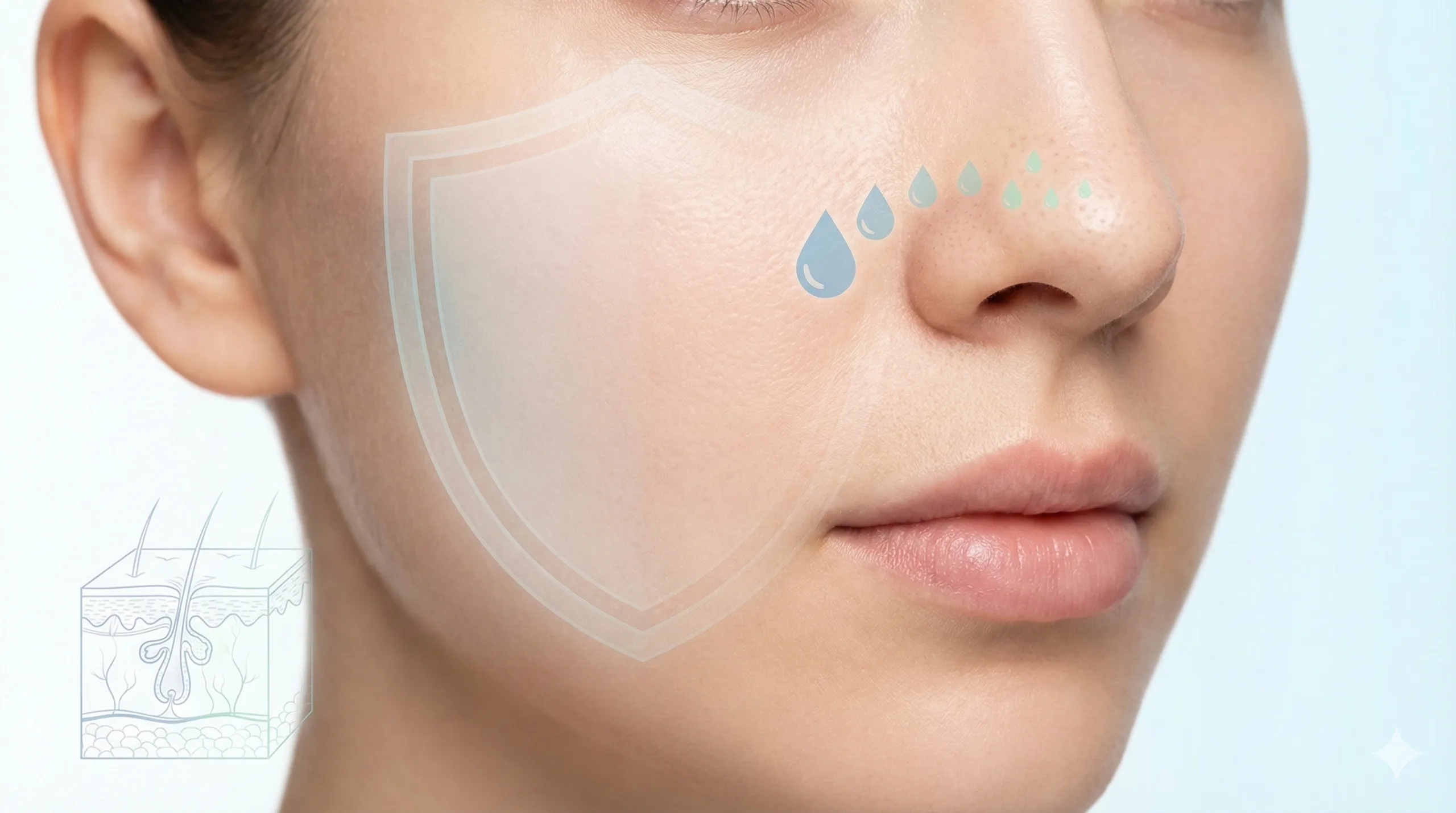
There are plenty of treatments on the market designed to manage oily skin, but niacinamide offers several advantages over traditional acne treatments. Let us compare niacinamide with some common acne-fighting ingredients.
Benzoyl peroxide is a popular acne treatment, but it can be harsh on the skin. It often causes dryness, redness, and irritation, especially for those with sensitive or oily skin. Niacinamide, on the other hand, is gentle and non-irritating, making it a better option for people looking for a soothing, long-term solution to oily skin. While benzoyl peroxide targets acne bacteria, niacinamide offers a more balanced approach by regulating oil and improving overall skin health.
Salicylic acid is another common treatment for oily and acne-prone skin. It works by exfoliating the skin and removing excess oil, but it can sometimes cause irritation or dryness when overused. Niacinamide, however, does not have this drying effect. Instead, it maintains the skin’s moisture balance while controlling oil production, making it suitable for long-term use without the risk of irritation.
Retinoids are powerful acne treatments that can be highly effective for reducing oil production and preventing breakouts. However, they are also known to cause peeling, redness, and sensitivity, especially when first introduced into a skincare routine. Niacinamide, on the other hand, offers a gentler approach to controlling oil and improving skin tone without the risk of irritation.
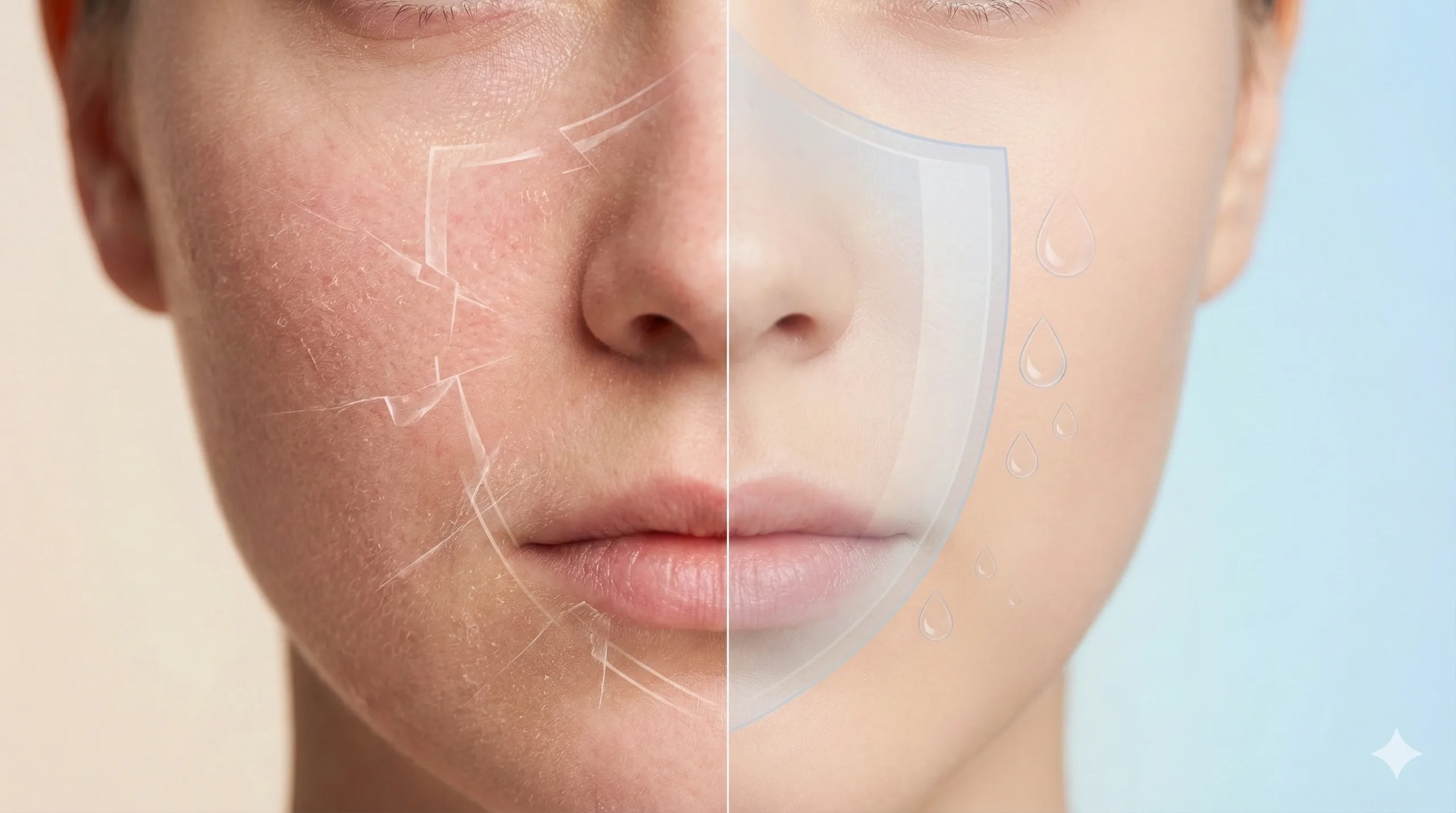
To get the most out of your niacinamide serum, it is important to use it correctly within your skincare routine. Here is how you can make it a part of your daily regimen:
Niacinamide works well with many other beneficial ingredients to enhance its effects. Here are some key combinations that can boost your skincare routine:
If you have oily skin, you know how difficult it can be to find the right skincare products that do not make the problem worse. Fortunately, niacinamide serum offers a gentle, effective solution. By regulating oil production, reducing inflammation, improving skin texture, and helping with acne prevention, niacinamide provides everything you need for healthy, balanced skin. Including niacinamide into your skincare routine can help you maintain clear, glowing skin without the irritation and dryness caused by harsher acne treatments. It is a multi-tasking powerhouse that delivers results over time.
At our company, we prioritize your skin’s unique needs. Our Acne-Dote serum is carefully formulated to help people with oily skin manage oil production, reduce acne, and improve skin tone and texture. We also offer tailored skincare solutions to address specific concerns, from acne scars to hydration. Our products are crafted with the highest quality ingredients, ensuring you get the best possible results.
Trust us to provide you with the best niacinamide serum and customized skincare options that suit your individual needs. Healthy, glowing skin is within reach, and we are here to help you get there.