


Dark spots, uneven skin tone, stubborn patches — pigmentation is one of the most common and frustrating skin concerns people deal with. Whether you call it dark spots, melasma, or simply “داغ دھبے” the desire for clear, even skin is universal. But before you reach for any product promising miracle results, it is important to understand what pigmentation actually is and how your skin truly works.
Pigmentation refers to the coloring of the skin. It is determined by melanin — the natural pigment produced by skin cells called melanocytes. When these cells produce too much or too little melanin, it results in uneven skin tone, dark patches, or discoloration. This condition is commonly known as hyperpigmentation when the skin darkens in certain areas.
Pigmentation can appear anywhere on the body, but it shows up most visibly on the face — particularly on the cheeks, forehead, upper lip, and around the eyes. It can range from small freckles to large, stubborn patches of melasma.

Understanding why pigmentation occurs is the first step toward managing it effectively. There is rarely a single cause — pigmentation is almost always the result of multiple overlapping triggers.
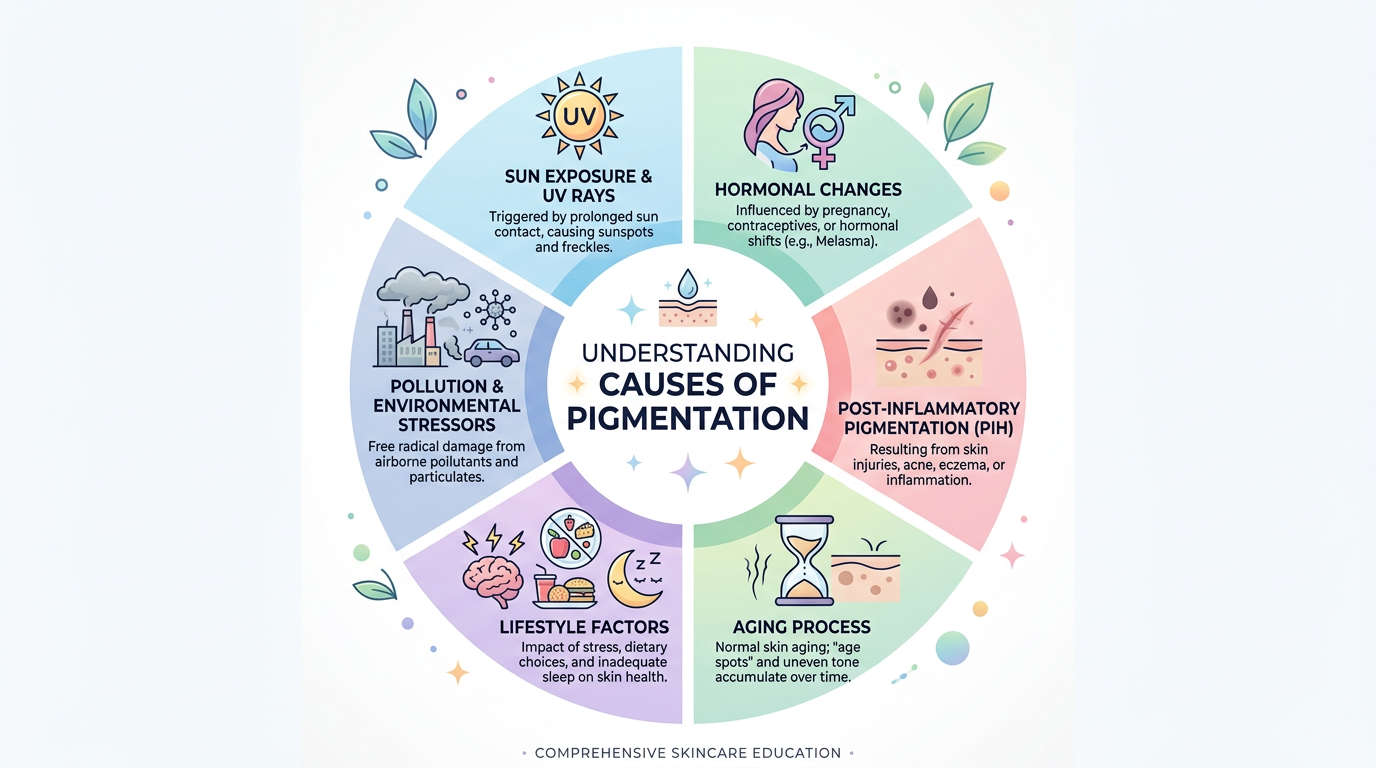
Here is the truth that most brands won’t tell you: there is no permanent or instant fix for pigmentation. Anyone claiming to eliminate pigmentation overnight or forever is not being honest with you. Pigmentation is a complex, ongoing skin process — and managing it requires consistency, patience, and the right approach.
Treatments like chemical peels, laser therapy, and prescription creams can significantly reduce pigmentation — but they are not one-time solutions. Skin is a living organ, and its behavior changes based on sun exposure, hormones, diet, sleep, and stress. Results from any treatment, no matter how powerful, will fade if the underlying lifestyle habits are not addressed alongside it.
The good news? With the right pigmentation serum and consistent skincare habits, you can dramatically fade pigmentation, prevent new spots from forming, and maintain noticeably clearer skin over time.
This is one of the most common questions — and the most important one to understand. Even after successful treatment, pigmentation tends to return. Here is why.
Your skin renews itself approximately every three months. Every skin cycle is influenced by everything you expose it to — sun, stress, hormones, diet, and sleep. If the factors that originally caused your pigmentation are still present in your daily life, your melanocytes will simply begin overproducing again with the next skin cycle.
This is why pigmentation is not a “treat once and forget” condition. It responds directly to your lifestyle. Skipping sunscreen, eating poorly, sleeping less, or going through hormonal changes can all bring pigmentation back — even after it seemed completely gone. Treating pigmentation successfully means treating it as an ongoing skin management routine, not a single event.
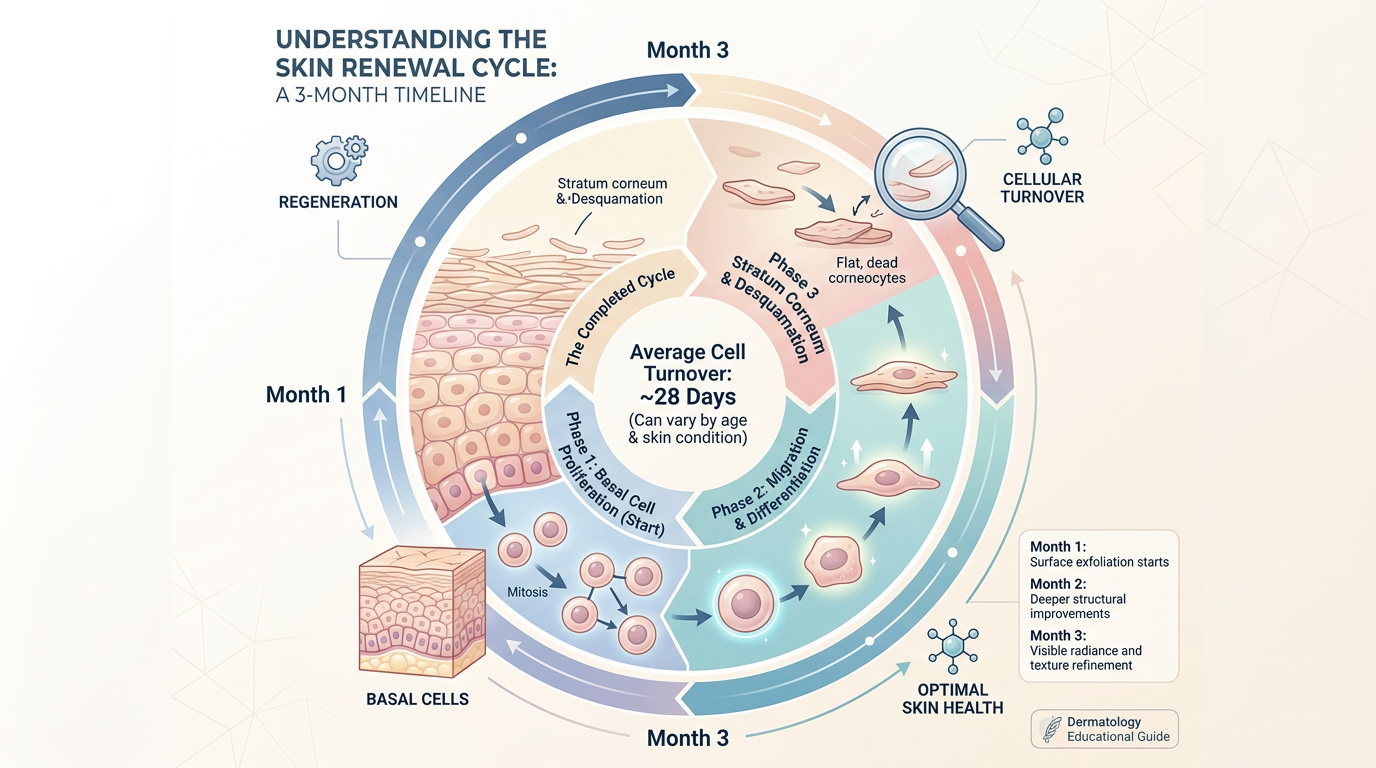
If you are looking for the best serum for pigmentation that works with your skin rather than against it, Reviticals Pigmentation Fixer Serum is formulated to do exactly that. It targets all major types of pigmentation — melasma, post-acne dark spots, sun damage, and age spots — through a consistent, science-backed approach.
What makes this pigmentation serum stand out is that it works in sync with your skin’s natural renewal cycle. Rather than offering a superficial, short-term fix, Reviticals Pigmentation Fixer Serum supports your skin through each three-month cycle — gradually reducing existing pigmentation while preventing new discoloration from forming at the cellular level.
The serum is designed to:
The key to visible, lasting results is using it consistently — just as your skin changes every three months in response to your lifestyle, the serum works alongside those cycles to steadily restore clarity and balance. Pair it with daily SPF, a healthy diet, adequate sleep, and hydration, and you give your skin the full support it needs.
Whether you are battling years-old melasma or fresh acne scars, Reviticals Pigmentation Fixer Serum brings a targeted, effective, and skin-friendly approach to clearing your complexion — one skin cycle at a time.
Pigmentation — whether you call it dark spots, melasma, or رنگت کے داغ — is a skin condition that requires patience, consistency, and realistic expectations. There are no permanent quick fixes, and that is perfectly okay. Your skin renews itself every three months, and with every cycle, you have the opportunity to improve it.
Choosing the right pigmentation serum, protecting your skin from the sun, managing stress, and maintaining a healthy lifestyle are the real keys to clearer skin. Reviticals Pigmentation Fixer Serum is the powerful, targeted partner your skin needs on that journey — helping you show up in every new skin cycle with a little more clarity, confidence, and glow.
Skincare product industry is growing everyday making it difficult to choose the right skincare product. Due to considerable number of options available, best Vitamin C serum in Pakistan is difficult to find. Reviticals Vitamin C, as one of the best vitamin C serums has high-quality components with extraordinary effects and has scientific research. What makes…
Introduction Ever noticed how frustrating open pores can be? They can make skin look uneven, rough, and sometimes even highlight blemishes. If you have been searching for the best serum for acne and open pores, a niacinamide serum might be just what you need. Unlike quick fixes, niacinamide works on deeper issues causing enlarged pores,…
Introduction Finding the perfect natural remedy for acne can be difficult, but Black Seed Oil offers solutions that prove its ability against acne. Acne-prone skin has endless challenges—persistent breakouts, excessive oil, and scars that seem impossible to fade. With so many options that are already proven, the search for the best serum for acne or…
Reviticals Pigmentation Fixer Serum is one of the best serums for pigmentation as it targets all types of dark spots including melasma, sun damage, acne scars, and age spots by working with the skin’s natural three-month renewal cycle to gradually fade discoloration and prevent new pigmentation from forming.
There is no permanent cure for pigmentation. Since skin renews itself every three months and responds to lifestyle factors like sun exposure, hormones, diet, and stress, pigmentation can return after treatment. However, consistent use of a targeted pigmentation serum like Reviticals Pigmentation Fixer Serum, combined with SPF and a healthy routine, keeps pigmentation visibly reduced and controlled long-term.
(پگمنٹیشن کا مطلب) Pigmentation — یا جلد پر داغ دھبے — refers to dark patches caused by excess melanin production in the skin. Common causes include sun exposure, hormonal changes, acne scars (post-inflammatory hyperpigmentation), aging, stress, and pollution. In Pakistan, sun-induced pigmentation and melasma are among the most frequently reported skin concerns.