

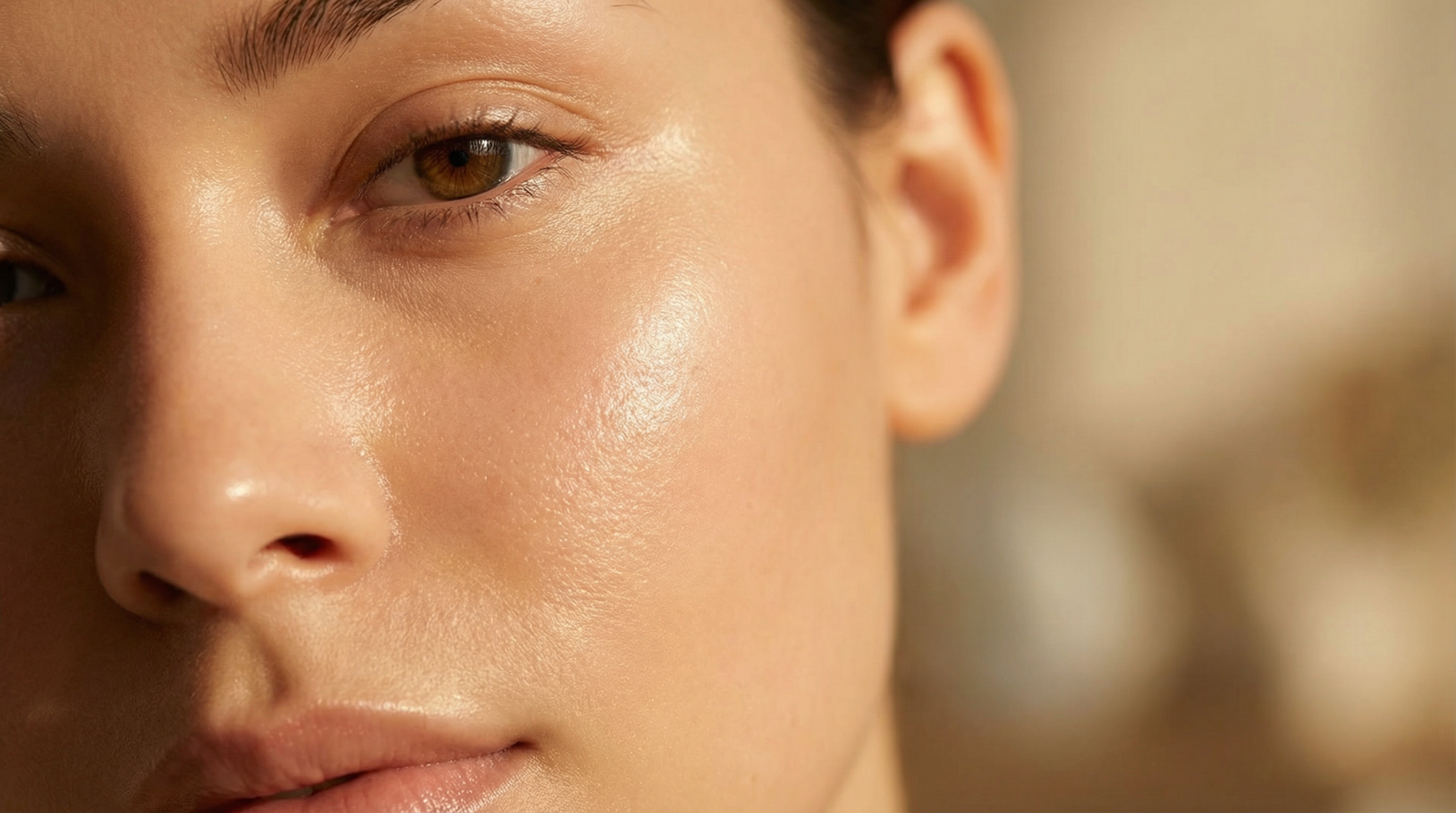
Kojic Acid Serum:
The Best Serum for Pigmentation, Dark Spots & Uneven Skin Tone
Your Complete Guide to Brighter, Even-Toned Skin Naturally
If you’ve ever looked in the mirror and noticed uneven skin tone, stubborn dark spots, or patches of discoloration that just won’t budge you’re not alone. Pigmentation is one of the most common skin concerns worldwide, affecting people of all skin types, ages, and backgrounds. The good news? There’s a scientifically proven, dermatologist-approved ingredient that has been quietly revolutionizing skincare routines: Kojic Acid.
In this comprehensive guide, we’ll walk you through everything you need to know about pigmentation, its root causes, and how a high-quality kojic acid serum can be your most powerful weapon in achieving a luminous, even complexion.
What Is Pigmentation? A Very Common Skin Concern
Skin pigmentation refers to the coloring of the skin, which is determined by a pigment called melanin, produced by cells known as melanocytes. When these cells malfunction or overproduce melanin, it leads to areas of discoloration commonly referred to as hyperpigmentation.
Hyperpigmentation affects an estimated 1 in 3 adults at some point in their lives. Whether it appears as melasma, post-inflammatory hyperpigmentation (PIH), age spots, or sunspots, it can significantly affect confidence and skin health. It is not merely a cosmetic issue for many people, it reflects underlying hormonal shifts, environmental stress, or skin damage.
What Causes Skin Pigmentation?
Understanding what triggers pigmentation is the first step toward treating it effectively. The most common causes include:
- Sun Exposure (UV Damage): Ultraviolet rays stimulate melanin production as a natural defense mechanism. Over time, repeated sun exposure leads to sunspots and uneven skin tone — the number one cause of premature skin aging and pigmentation.
- Hormonal Changes: Fluctuations in estrogen and progesterone triggered by pregnancy, birth control pills, or menopause — can cause melasma, characterized by brown or gray-brown patches on the face.
- Post-Inflammatory Hyperpigmentation (PIH): Any trauma to the skin — including acne, cuts, or insect bites can leave behind dark marks long after the wound has healed.
- Genetics: Some people are genetically predisposed to producing excess melanin, making them more susceptible to pigmentation issues.
- Aging: As skin ages, melanin distribution becomes uneven, resulting in age spots and liver spots.
- Medications: Certain medications, including antibiotics, antimalarials, and chemotherapy drugs, can trigger skin darkening as a side effect.

How Can We Prevent and Treat Skin Pigmentation?
Prevention and treatment go hand in hand. Here are evidence-based strategies dermatologists recommend:
- Daily SPF Protection: Wearing broad-spectrum sunscreen of SPF 30 or higher every single day is non-negotiable. UV radiation is the primary driver of pigmentation.
- Antioxidant-Rich Skincare: Ingredients like Vitamin C, niacinamide, and kojic acid neutralize free radicals and inhibit melanin synthesis.
- Gentle Exfoliation: Regular use of AHAs (glycolic acid) or BHAs (salicylic acid) promotes cell turnover, fading dark spots over time.
- Targeted Serums: Skin-brightening serums formulated with proven depigmenting agents deliver active ingredients directly where needed.
- Professional Treatments: Chemical peels, laser therapy, and microdermabrasion offer more aggressive treatment for deep-set pigmentation.
- Lifestyle Changes: Staying hydrated, eating antioxidant-rich foods, managing stress, and avoiding smoking all contribute to healthier, more even-toned skin.
What Is Kojic Acid?
Kojic acid is a naturally derived chelation agent and potent skin-brightening compound. It belongs to the category of tyrosinase inhibitors meaning it works by directly interfering with the enzyme responsible for melanin production in the skin.
First discovered in Japan in 1907, kojic acid gained widespread use in skincare in the 1980s and 1990s. Today, it is a staple ingredient in brightening serums, creams, and lotions around the world and for good reason. Its mechanism of action is well-studied, its efficacy is clinically supported, and its results are visible.
How Does Kojic Acid Remove Pigmentation?
Melanin production is triggered by the enzyme tyrosinase. Kojic acid works by chelating (binding to) the copper ions that tyrosinase requires to function. Without these copper ions, tyrosinase becomes inactive and without active tyrosinase, melanin synthesis slows dramatically.
The result? Existing dark spots begin to fade as skin cell turnover brings fresher, less-pigmented cells to the surface. New pigmentation is also prevented from forming. Over consistent use, the skin appears visibly brighter, more even, and more radiant.
Key benefits of kojic acid for pigmentation include:
- Fades dark spots, age spots, and sunspots
- Reduces the appearance of melasma and pregnancy mask
- Lightens post-acne marks and post-inflammatory hyperpigmentation
- Evens overall skin tone and texture
- Antifungal and antimicrobial properties as a bonus benefit
- Works synergistically with Vitamin C, niacinamide, and retinol
Where Does Kojic Acid Come From?
Kojic acid is a bioproduct it is naturally produced by several species of fungi, particularly Aspergillus oryzae (commonly known as koji), as well as Acetobacter suboxydans and Penicillium species.
Interestingly, its origins are rooted in Japanese culinary tradition. Koji fungus has been used for centuries in the fermentation of rice to produce sake (rice wine), miso paste, soy sauce, and rice vinegar. Workers in Japanese sake breweries were observed to have remarkably smooth, bright, and evenly toned hands — despite spending long hours with their skin in contact with fermented rice. This observation sparked scientific interest in kojic acid as a skin-brightening agent.
Today, kojic acid used in cosmetics is produced through controlled fermentation of carbohydrates such as glucose and sucrose by Aspergillus oryzae. This process allows for pharmaceutical-grade purity and consistent potency essential for effective skincare formulations.
Is Kojic Acid Safe? What the Science Says
Kojic acid has been extensively studied for both efficacy and safety, and the consensus in dermatology is clear: at concentrations of 1–4%, kojic acid is safe for topical use by most individuals.
Regulatory bodies, including the European Commission’s Scientific Committee on Consumer Safety (SCCS), have reviewed kojic acid and concluded that it is safe at concentrations up to 1% in face and hand products. The U.S. FDA does not restrict its use in over-the-counter cosmetics, and it is widely approved globally.
Potential side effects to be aware of:
- Contact Dermatitis: In rare cases, some individuals may experience redness, itching, or irritation — especially those with sensitive skin or when using concentrations above 2.5%.
- Photosensitivity: Kojic acid can increase skin’s sensitivity to UV rays. Daily SPF is essential when incorporating it into your routine.
- Temporary Skin Sensitivity: Some users report initial mild sensitivity during the first few weeks of use, which typically subsides as skin adjusts.
Is Kojic Acid Safe for All Skin Types?
One of kojic acid’s greatest strengths is its broad compatibility with different skin types. However, the experience can vary:
- Normal Skin: Tolerates kojic acid very well. Can use standard concentrations (1–2%) without significant risk of irritation.
- Dry Skin: May experience some dryness initially. Pair your kojic acid serum with hyaluronic acid and a nourishing moisturizer.
- Oily / Acne-Prone Skin: Kojic acid’s mild antimicrobial properties are beneficial here. It helps reduce acne-related dark marks while controlling surface bacteria. Opt for lightweight, non-comedogenic formulas.
- Sensitive Skin: Proceed with caution. Choose products with lower concentrations (around 1%), do a thorough patch test, and introduce it slowly — 2–3 times per week before daily use.
- Combination Skin: Generally handles kojic acid well. Focus application on areas of concern.
- Darker Skin Tones (Fitzpatrick IV–VI): Kojic acid is widely recommended for deeper skin tones, particularly for treating PIH from acne. It is considered safer than some alternatives like high-concentration hydroquinone, which can carry risk of paradoxical darkening.

Is Kojic Acid Safe During Pregnancy?
Pregnancy is a time when skin concerns particularly melasma, often called the “mask of pregnancy” — are incredibly common due to hormonal shifts. It’s natural to wonder whether kojic acid is safe during this time.
The current scientific consensus is that kojic acid has not been sufficiently studied in pregnant populations, and most dermatologists adopt a cautious stance. While there is no direct evidence that topical kojic acid at cosmetic concentrations is harmful during pregnancy, the lack of robust clinical trials means it cannot be unequivocally declared safe.
Dermatologists generally advise the following for pregnant individuals concerned about pigmentation:
- Prioritize daily SPF 50+ broad-spectrum sunscreen the single most effective intervention for pregnancy-related melasma.
- Azelaic acid (at up to 20%) is considered pregnancy-safe by most dermatologists and is a good kojic acid alternative.
- Vitamin C serums are generally considered safe and effective for brightening.
- Always consult your OB-GYN or dermatologist before starting any new active ingredient during pregnancy.

How Reviticals Pigmentation Fixer Serum Can Help
When it comes to choosing the best kojic acid serum for pigmentation, formulation matters enormously. Not all serums are created equal concentration, delivery system, supporting ingredients, and manufacturing quality all determine how effective a product actually is on your skin.
Reviticals Pigmentation Fixer Serum is specifically formulated to target the root causes of skin discoloration with a potent yet skin-friendly blend of active ingredients. Here’s what sets it apart:
- Optimized Kojic Acid Concentration: Formulated at a dermatologist-recommended concentration that delivers visible results while maintaining skin safety and minimizing irritation risk.
- Multi-Action Brightening Complex: The serum combines synergistic brightening agents to tackle hyperpigmentation from multiple pathways simultaneously for faster, more comprehensive results.
- Lightweight, Fast-Absorbing Formula: Designed for all skin types, it absorbs quickly without leaving a greasy residue, making it ideal for use under moisturizer and SPF.
- Targets All Forms of Pigmentation: Whether you’re dealing with melasma, acne scars, dark spots, sunspots, or uneven skin tone this serum is engineered to address them all.
- Visible Results with Consistent Use: Users report noticeably brighter and more even-toned skin within weeks of consistent use. Deeper pigmentation improves with continued application over 2–3 months.
How to Use
- Cleanse your face thoroughly and pat dry.
- Apply 2–3 drops of the serum to areas of concern or across the entire face.
- Gently massage in circular motions until fully absorbed.
- Follow with your moisturizer.
- Always apply broad-spectrum SPF in the morning after use.
- Use consistently morning and/or evening for best results.
✨ Ready for Brighter Skin?
Shop Reviticals Pigmentation Fixer Serum — results you can see.
Conclusion: Your Journey to Clearer, Brighter Skin Starts Here
Pigmentation is one of the most persistent and emotionally challenging skin concerns — but it is also one of the most treatable. Armed with the right knowledge and the right ingredients, you can absolutely achieve the clear, radiant skin you deserve.
Kojic acid stands out as one of the most effective, natural, and well-researched depigmenting agents available today. Whether you’re battling melasma, post-acne marks, sun damage, or age spots, incorporating a high-quality kojic acid serum into your daily skincare routine is one of the smartest steps you can take.
Remember: great skin is a marathon, not a sprint. Consistency, sun protection, and patience are your most powerful allies. With Reviticals Pigmentation Fixer Serum expertly formulated to harness the full power of kojic acid brighter, more even-toned skin isn’t just a dream. It’s a result.